Veeam Backup and Replication Ransomware Resilience Basics
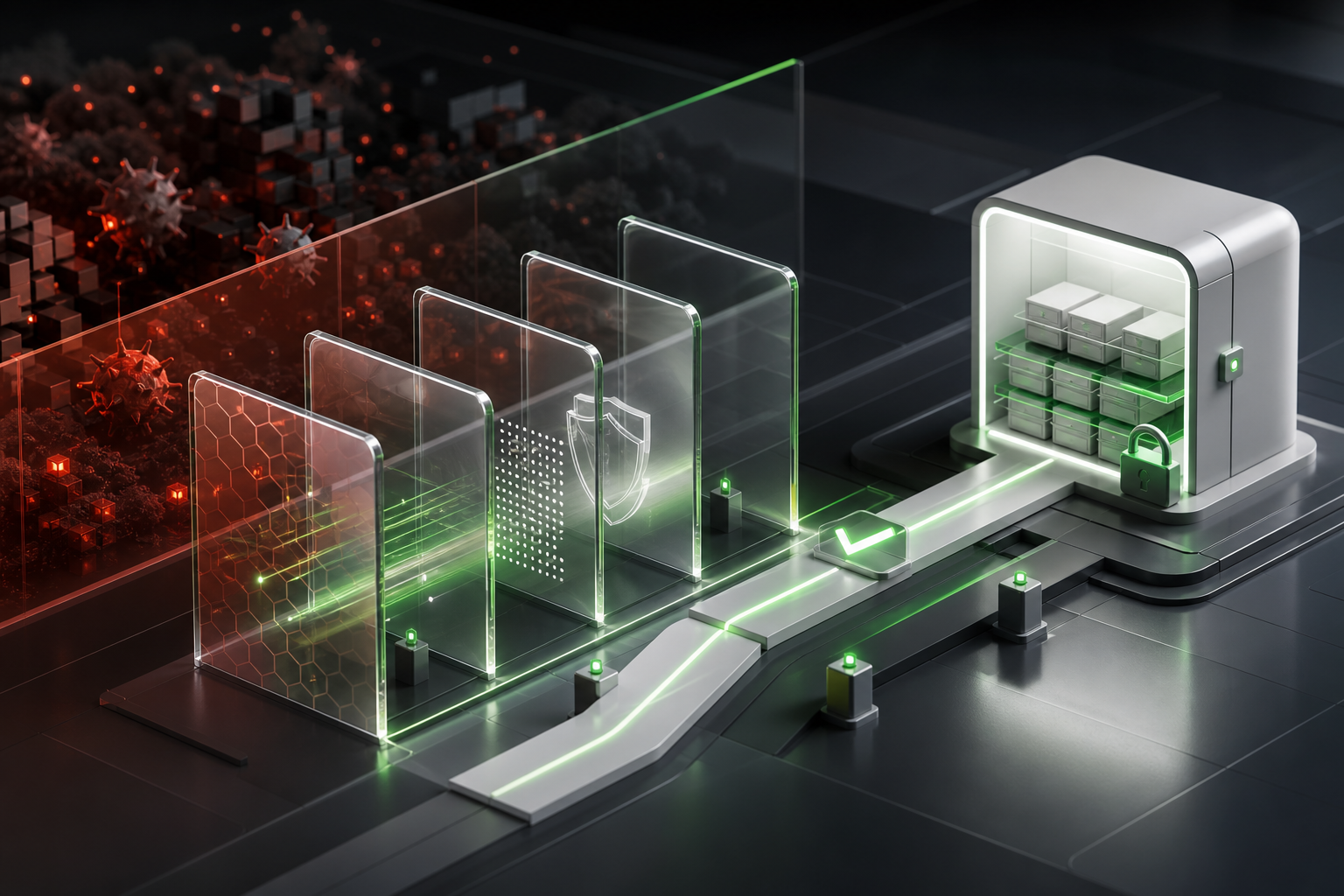
Ransomware resilience is not a single feature. It is a chain of decisions that protect recovery options when production systems, credentials, and administrative tools may be under pressure. Veeam Backup & Replication can be part of a strong response strategy, but the product must be supported by access control, protected storage, monitoring, and practiced recovery steps.
Veeam Backup and Replication and separation
Separation is the first principle. Backup administration should not rely entirely on the same accounts, network paths, and management habits used for daily production work. If one credential can change production systems and erase backup recovery points, the organization has concentrated too much risk in one place. Use role separation, privileged access review, and limited administrative groups.
Network separation matters as well. Repositories, management servers, proxies, and notification paths should be designed with the assumption that some part of the environment may become hostile. The goal is not perfection; the goal is to make destructive movement harder and recovery evidence easier to trust.
Veeam Backup and Replication immutable concepts
Immutable storage concepts are valuable because they reduce the ability to alter or remove recovery points during a defined period. The specific implementation depends on storage platform and configuration, so teams must understand the limits of their own design. A label that says "protected" is not enough. Verify how the protection behaves, who can change it, and what happens when capacity is low.
Retention and immutability should be planned together. Keeping too little history may leave no clean point before an intrusion. Keeping too much without capacity control can create operational failure. The correct balance depends on detection speed, data change patterns, and business risk.
Veeam Backup and Replication monitoring
Monitoring should alert on failed jobs, unusual deletion attempts, repository capacity pressure, sudden job changes, disabled notifications, and unexpected administrative activity. Backup alerts must reach people who can act, not a mailbox that no one reads. A quiet backup system during an incident is not automatically healthy; it may be disconnected or compromised.
Teams should also preserve evidence. Job history, configuration records, and repository status can help determine which recovery points are trustworthy. Avoid rushed cleanup before security teams understand what happened. In many incidents, the fastest path is not the safest path.
Veeam Backup and Replication recovery rehearsals
A ransomware recovery rehearsal is different from a normal file restore. It should include decision makers, security review, clean network assumptions, identity considerations, and communication rules. Decide who has authority to declare a recovery point clean enough to use. Decide where recovered systems will start and how they will reconnect to users.
Use Veeam Backup and Replication ISO discussions only as part of controlled media governance and version review. The real resilience question is broader: can the organization trust the platform, the data, the credentials, and the people executing the plan?
Ransomware resilience is built before the attack. Veeam Backup & Replication can provide essential recovery mechanisms, but leadership must support testing, access review, storage investment, and honest reporting when weaknesses appear.